Unlock USB Drive | Decrypt Write Protected USB Drive and Restore Data
If you're having trouble unlocking your USB drive, there are two practical methods you can try. The first method involves checking the drive's compatibility, formatting it, and then unlocking it. The second method involves using a third-party software to unlock the drive. For more details, refer to the table below.
| Workable Solutions | Step-by-step Troubleshooting |
|---|---|
| Solution 1. Ask for the permission | If you have administrator passwords, take these steps to unlock the encrypted USB drive, partition, or even write-protected files. Connect the USB drive to your PC and go to Computer/This PC...Full steps |
| Solution Fix 2. Make changes in Regedit | If you've forgotten the password of an encrypted USB drive or files, you can try changing the WriteProtect value. To do this, press the Windows + R keys to open the Run dialogue, then type `cmd` and press Enter to open the Command Prompt.regedit in the search box, and hit Hit...Full steps |
| Recover data from USB drive | If data loss happens on your USB drive due to deletion, formatting, corrupting, or other causes, you can use Qiling data recovery software to recover data from USB drive, pen drive, or SD card in simple steps...Full steps |
How Is Your USB Flash Drive Locked
If you're unable to add, write, copy, or transfer files on a USB drive because it is locked, you need to first determine the real cause of the issue to find the appropriate troubleshooting solutions.
- If your flash drive isn't working, try plugging it into a different USB port on the same computer or a different computer altogether. This will help you determine if the issue is with the port or the drive itself. You can also try swapping the USB cable or using a different flash drive to rule out any problems with the original drive.
- If you're having trouble accessing your portable USB drive, check if it has a lock switch, which is often present on SD cards and can be easily toggled to change from lock to unlock position.
After learning about the two possible items that can lock a storage device, you can now focus on the write protection removal solutions in the coming part of this guide. Most of these cases are caused by the disk being write protected in Windows 10/8/7. To unlock a USB drive, try out the following two ways:
Solution 1. Ask for the Permission with a Password
This solution works for users who have administrator passwords for unlocking encrypted USB drives, partitions, or write-protected files. To unlock the USB drive with a password, follow these steps:
Step 1. Connect your USB drive to your PC and navigate to the "Computer" or "This PC" section.
Step 2. Right-click the USB drive and choose "Properties" followed by "Security".
Step 3. Click "Edit" and enter your administrator password.
Step 4. Select your username in "Group and Usernames" and click the "Allow" radio button alongside the "Full" and "Write" settings in the "Permissions for Authenticated Users" section.
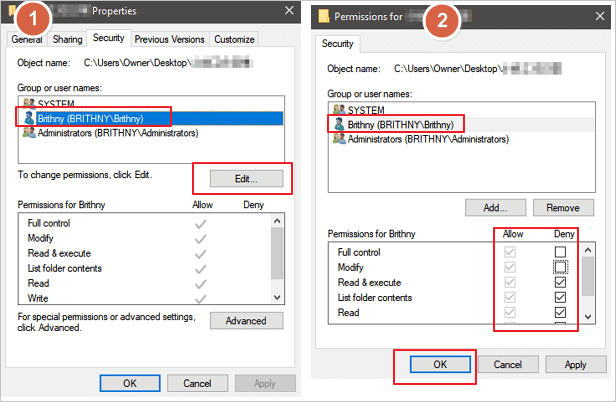
Step 5. Click "Apply" followed by "OK".
You'll now be able to access the encrypted USB drive and use those important files on it again.
Solution 2. Make Changes to the Windows Registry (Regedit)
If you've forgotten the password to an encrypted USB drive or files, you can try to decrypt the write-protected USB drive by locating the StorageDevicePolicies on any version of Windows and changing the WriteProtect value as instructed below.
Step 1. Press the Windows key + R keys to open the Run dialogue, type "regedit" in the search box, and press Enter.
Step 2. In the Registry Editor, navigate to the following key:
Computer\HKEY_LOCAL_MACHINE\SYSTEM\CurrentControlSet\Control\StorageDevicePolicies.
Step 3. Double-click on the WriteProtect value, change the Value data from 1 to 0, and click OK to save the changes in Registry Editor.
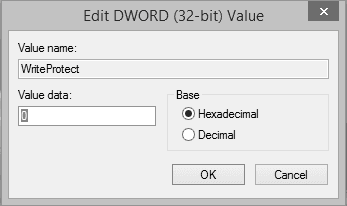
Step 4. Close the Registry Editor and restart your computer.
Check your USB drive's status and see if you can access the data stored on it.
How to Recover Lost Data After Unlocking USB Drive
If you've tried the methods mentioned and still can't access your USB data, you may need to use professional data recovery software to securely restore the data.
Here, you can try Deep Data Recovery, which is fully compatible with all Windows systems, enabling users to restore data from an encrypted USB drive or storage devices after unlocking them.
To recover data from an encrypted or write-protected USB drive, pen drive, SD card, or memory card, download a USB recovery tool and follow these steps.
Step 1. Choose file types and click "USB/SD Scan" to start
Launch Deep Data Recovery, select the desired file types, and click "USB/SD Scan" to initiate the recovery process.
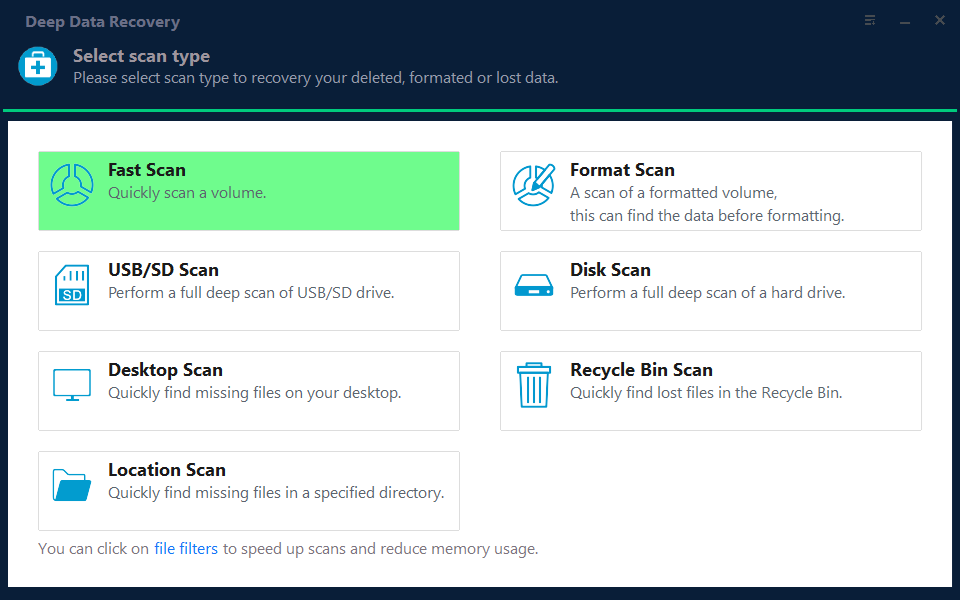
Note: You can choose different search modes based on where and why the data was lost.
Step 2. Choose the USB drive to scan
Choose the USB drive where you lost your important files. Click "Scan" to initiate the scanning process.
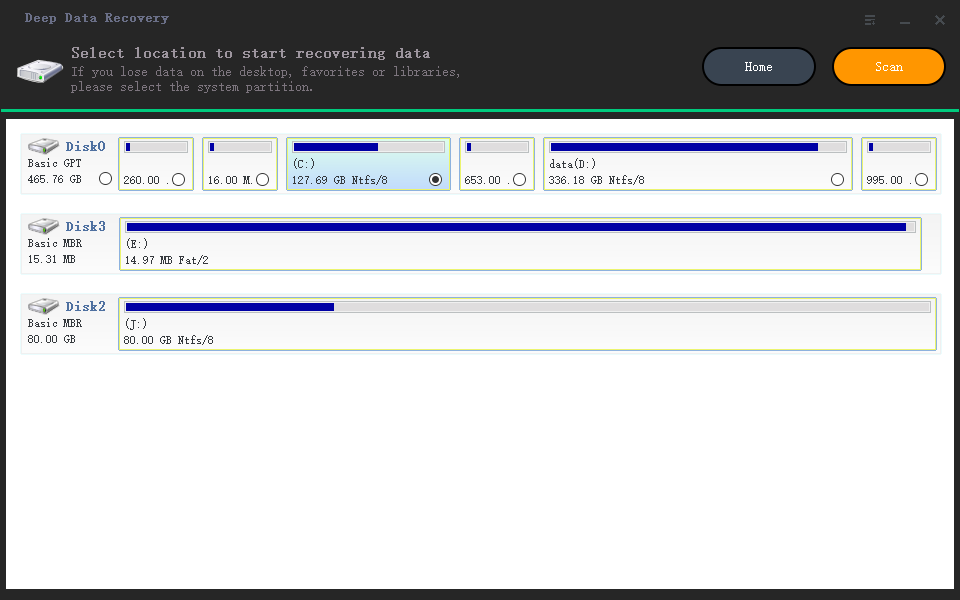
Step 3. Check and preview USB drive data
When the scanning is complete, you can quickly find a specific type of file using the Filter feature and the Search option.
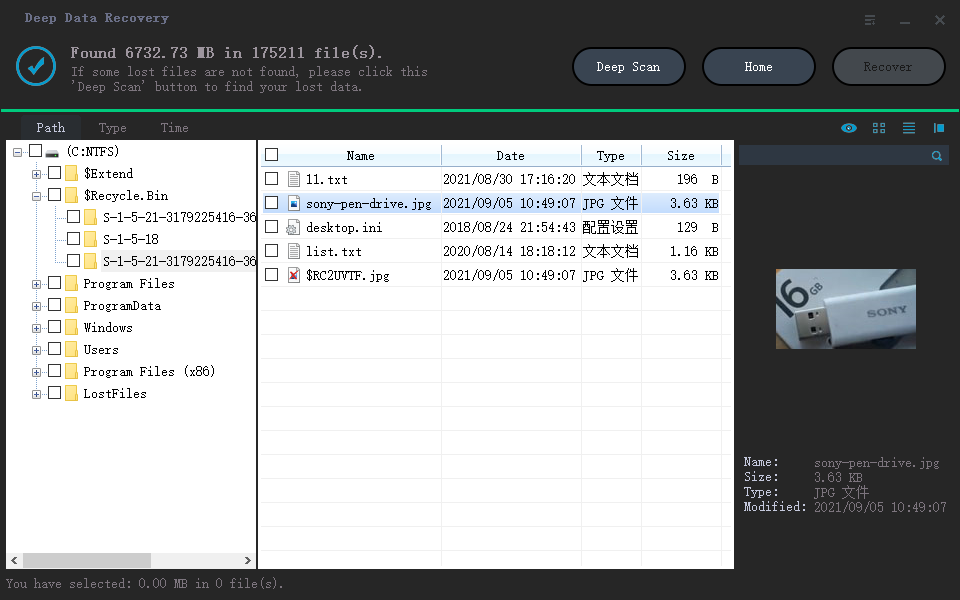
Step 4. Restore flash drive data
After finding lost USB drive files, click "Recover" to restore them and save them to a safe location on your PC.
Video Tutorial to Recover Lost Data After Unlocking USB Drive
If the USB device uses BitLocker, unlock it with an authorized key before scanning; file recovery cannot bypass encryption.
Related Articles
- How to Recover Deleted Photos & Videos from Android Without Root
- How to Fix 'Photos Disappeared from Camera SD Card' Efficiently
- Kingston Flash Drive Recovery
- Repair and Format Corrupted Android SD Card Without Losing Data
- Audacity Recovery: Recover Deleted and Unsaved Audacity Recordings
If you've accidentally deleted or lost Audacity recordings due to a program crash, this article provides a practical solution to help you recover your lost audio files. Follow the guide to restore your unsaved recordings and get back to work. - How to Automatically Delete Temp Files in Windows 7/8/10
If you need to delete temporary files in Windows, you can do so by deleting the files stored in the temp folder, which are no longer needed.
Products
Articles & Tutorials
- Data Recovery
- Data Backup
- File Recovery
- File Backup
- System Backup and Restore
- Disk and Partition Clone
- Technical articles
- Mobile articles
- Disk Master Help
- Windows Data Recovery Tutorials
- Windows Secure Delete Tutorials
- Windows Partition Management Tutorials
- Windows File Backup and Restore Tutorials
- Windows System Backup and Restore Tutorials
- Windows Disk Backup and Restore Tutorials
- Windows Clone Tutorials