[Fixed] SQL Error 945 | Database Cannot Be Opened due to Inaccessible Files
The error message "Database [database name] cannot be opened due to inaccessible files or insufficient memory or disk space" indicates that the SQL Server is unable to access the database files or that the system does not have enough memory or disk space to open the database. To resolve this issue, you can refer to the SQL Server error log for more details and take necessary actions such as checking disk space, memory, and database file accessibility.
| Workable Solutions | Step-by-step Troubleshooting |
|---|---|
| Fix 1. Enlarge Hard Drive Space | As you can see in the error notification, the SQL database may not be opened due to...Full steps |
| Fix 2. Make Sure Autogrowth Is On | Open SQL Server Management Studio and connect to the problematic database...Full steps |
| Fix 3. Check the Account Permission | You need to check the account you are using and make sure you have...Full steps |
| Fix 4. Check the MDF/NDF File | Find and right-click the ".mdf "or ".ndf" file of your database. Choose "Properties"...Full steps |
| Fix 5. Use SQL Database Repair Tool | Stop MS SQL Server service. Press "Windows + R" and enter services.msc...Full steps |
| Fix 6. Try DBCC CHECKDB | If there is no backup available, you can also try the DBCC CHECKDB repair option...Full steps |
What Is SQL Error 945
SQL Server error 945 occurs when a database is marked as "IsShutdown" or when the attaching and detaching of MDF files is not properly done, causing the recovery procedure to fail and the database to remain in an inconsistent state.

It may occur due to different reasons:
- Disproportionate storage consumed by memory-optimized tables
- SQL database repair failure due to some missing files
- Using corrupt backup
- Improper shutdown of the database
- Malware attacks
When encountering the SQL Server error 945, there are six potential solutions to try and resolve the issue. These solutions can help you troubleshoot and fix the problem, allowing you to continue with your database operations without interruption.
How to Fix SQL Error 945 Database Cannot Be Opened Due to Inaccessible Files or Insufficient Memory or Disk Space in 6 Ways
According to user experience, effectiveness-based solutions exist for error 945 in SQL Server, which prevents the database from being opened due to inaccessible files. A simple solution is to restart your SQL database through an ALTER DATABASE query, which can set the SQL Server database to online. If this doesn't work, other methods can be tried.
Fix 1. Enlarge Hard Drive Space
The SQL Server error 945 may occur due to insufficient disk space, which can be resolved by removing unnecessary files or adding a larger hard drive. If data loss is a concern, backing up the hard drive with free backup software before removal is recommended.
Fix 2. Make Sure Autogrowth Is On
To enable Autogrowth in a database, you can follow these steps:
Step 1. To resolve the issue with SQL Server Management Studio not being able to connect to a database, first open SQL Server Management Studio and connect to the problematic database. Then, check the SQL Server service is running and the SQL Server Browser service is also running.
Step 2. Click "View" > "Object Explorer".
Step 3. Expand the "Database" folder.
Step 4. Right-click the database and choose "Properties".
Step 5. To enable Autogrowth, go to the "Select a Page" section, choose "Files", and look for the Autogrowth settings. Select the option to "Enable Autogrowth".
Fix 3. Check the Account Permission
You need to check the account you are using and make sure you have the correct permission to perform operations.
Fix 4. Check the MDF/NDF File of the Database
If the MDF or NDF file of the database is marked as read-only, you may encounter the SQL error 945. To resolve this, ensure the MDF and NDF files are not shown as read-only. To remove read-only on the MDF or NDF file, right-click on the file and select "Properties", then uncheck the "Read-only" box and click "Apply" and "OK" to save the changes. This should resolve the SQL error 945.
Step 1. To access the file properties of your database's ".mdf" or ".ndf" file, right-click on it, select "Properties", and then go to the "Security" tab, where you can see the group or username associated with the file.
Step 2. To give access to a file, select the user you want to give access to the file and check the permission that you want to grant them, such as read or write.
Step 3. If the permission is not set to Full Control, you need to change it by clicking "Edit".
Step 4. In the Group or Username box, select the user and choose "Full Control".
Fix 5. Use SQL Database Repair Tool
Go to the error log to identify why the database is malfunctioning. If it's due to a persistent I/O error, torn page, or hardware issues, resolve it by restoring the database from a backup. If no backup is available, use a professional MS SQL repair tool like Qiling MS SQL Recovery to repair the SQL database.
- Repairs corrupted SQL database files (MDF/NDF files)
- The software repairs corrupted SQL server database components, including tables, triggers, indexes, keys, rules, and stored procedures, to restore the database to a functional state.
- Recovers deleted/dropped records from SQL Database
Let's see how to repair your database with it:
Step 1. Stop MS SQL Server service
Press "Windows + R" and enter services.msc.
Find and double-click "SQL Server (instant name)".
To end the SQL Server, click "Stop" in the Properties window, and then confirm with "Apply".
Step 2. Run the Qiling SQL repair tool, select the desired file types, and click "Fast Scan" to initiate the repair process.
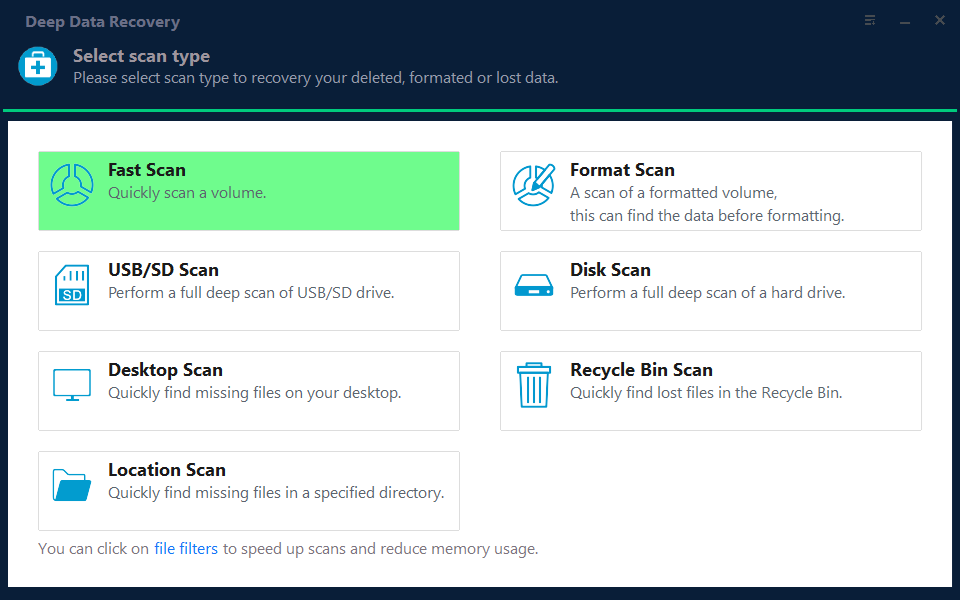
Step 3. Choose the corrupted MDF/NDF file. Then click "Scan" to start analyzing your MDF/NDF file.
If you know the exact location of the file, click the "Browse" button to locate the database.
If you're unsure where the database file is located, click on the "Search" button to search for the .mdf or .ndf file in your system. This will help you find the file's location.
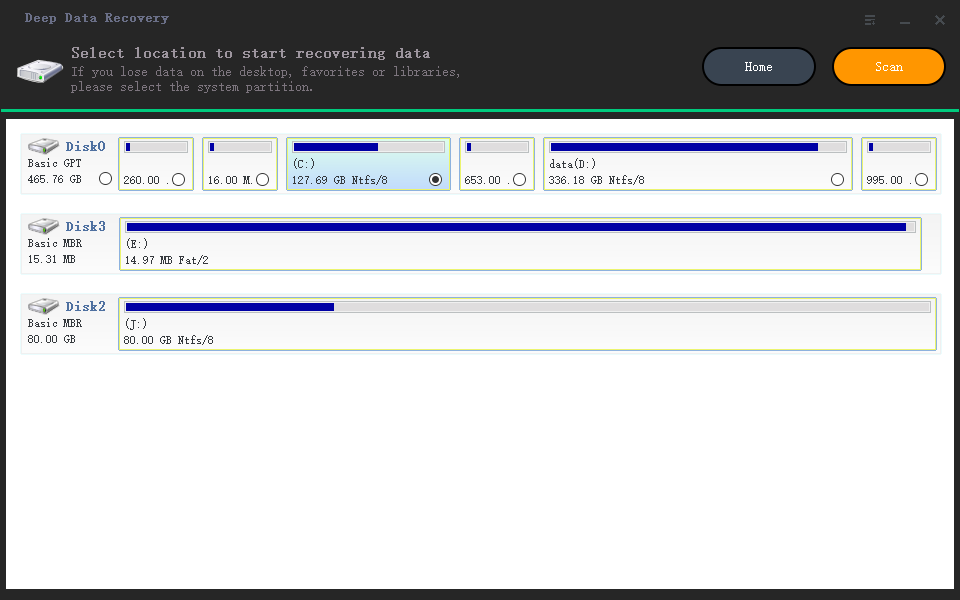
Step 4. When the process is complete, all database objects will be listed in the left pane of the window. Select the desired database objects and click "Recover" to initiate the repair process.
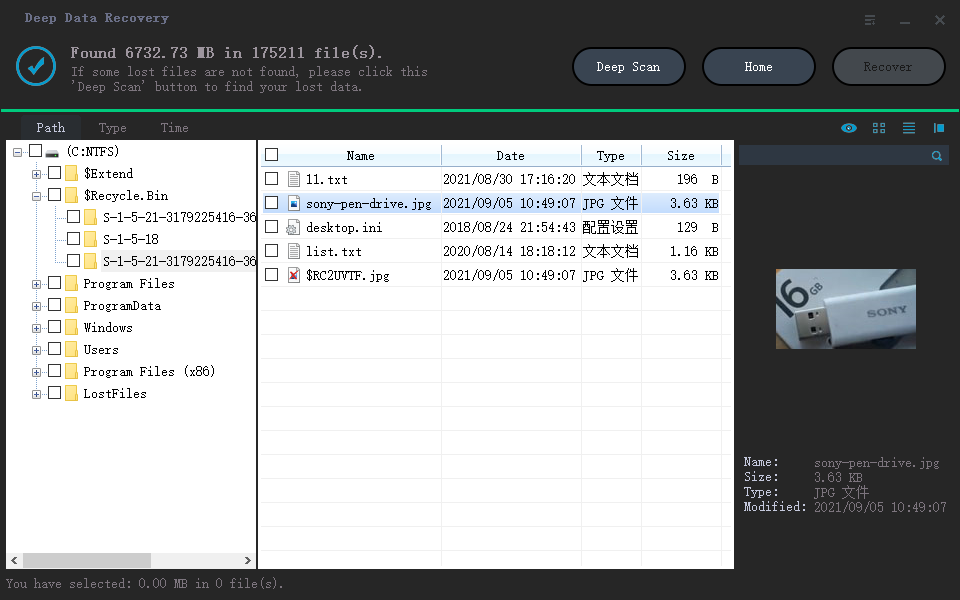
Step 5. To export database data, you can choose between two options: "Export to database" or "Export as SQL scripts". If you select "Export to database", you'll need to specify server information, log into your account, and choose a destination database, either creating a new one or using an existing one.
Step 6. Before you click "OK", now you need to restart the SQL Server.
Press "Windows + R" and enter services.msc.
Find and double-click "SQL Server (instant name)".
In the Properties window, click "Start" to restart the SQL Server service and confirm with "Apply".
Step 7. To save the repaired files to your desired SQL database, click "OK" on the prompt.
Fix 6. Try DBCC CHECKDB Repair Option
If there is no backup available, you can try the DBCC CHECKDB repair option, but it's not recommended as it may put your SQL database in Suspect Mode, potentially leading to another SQL Server database error 926.
Wrap Things Up
We addressed the common SQL server issue, error 945, which prevents database opening due to inaccessible files, memory, or disk space issues. Possible solutions include manual methods such as increasing hard drive space, checking account permissions, verifying database files, and running DBCC CHECKDB.
For a simpler approach to repairing corrupted SQL database files, the Qiling SQL repair tool is worth considering. It offers a straightforward way to fix damaged .mdf and .ndf files, resolve issues with database log files, and recover objects that have been compromised.
More Info: How to Fix SQL Server Error 926
SQL error 926 can occur due to an improper connection to SQL Server or when using the RESTORE database or RESTORE LOG procedures, resulting in the error message "Database cannot be opened. It has been marked SUSPECT by recovery". To resolve this issue, take the necessary steps to correct the connection or troubleshoot the RESTORE procedures.
- To resolve the issue reported by DBCC CHECKDB, first, check the error report for specific details on the problem. Then, based on the error message, apply the appropriate solution.
- If you have a database backup available, you can restore your databases from it. This will bring back your data and settings to a previous state, effectively reversing any changes or losses that occurred since the last backup.
- If you're unable to restore a SQL database from a backup, you can try contacting primary support or checking the error logs for SQL Server for assistance.
Related Articles
- MS SQL Repair Tool | Repair Corrupted MDF/NDF File
- MS SQL Error 4064/4062: Cannot Open User Default Database
- MS SQL Database Restore with Recovery and Norecovery Options
- SQL Error 233 No Process Is on the Other End of the Pipe
- Recover Lost Save Data in the Legend of Zelda: Tears of the Kingdom [4 Methods]
If your Legend of Zelda: Tears of the Kingdom game save and is lost. In the Legend of Zelda: Tears of the Kingdom, this page offers four effective strategies to restore deleted Save data. The most effective tool for restoring lost save data is Deep Data Recovery. - 3 Ways to Recover Monster Hunter World/Rise Save Game Data on PC/Steam/Switch
You'll learn the three best ways to recover lost Monster Hunter game data on PC/Steam/Switch. Qiling data recovery software is the most effective method to recover Monster Hunter data and restore lost game saves on a computer and Switch hard drive.
Products
Articles & Tutorials
- Data Recovery
- Data Backup
- File Recovery
- File Backup
- System Backup and Restore
- Disk and Partition Clone
- Technical articles
- Mobile articles
- Disk Master Help
- Windows Data Recovery Tutorials
- Windows Secure Delete Tutorials
- Windows Partition Management Tutorials
- Windows File Backup and Restore Tutorials
- Windows System Backup and Restore Tutorials
- Windows Disk Backup and Restore Tutorials
- Windows Clone Tutorials