3 Simple Ways to Assign a Drive Letter in Windows 10/8/7
| Workable Solutions | Step-by-step Troubleshooting |
|---|---|
| Fix 1. Disk Management | Step 1. You will need to open Disk Management with administrator privileges. Right-click on the Start button...Full steps |
| Fix 2. Qiling Partition Master | Step 1. Run Qiling Partition Master, right-click the target partition, and choose "Change Drive Letter"...Full steps |
| Fix 3. Command Prompt | Step 1. Access the elevated command prompt. Press Windows + S to run the search box. Type cmd...Full steps |
What Is a Drive Letter
Windows assigns a drive letter (A-Z) to any physical computer disk or drive partition, making it accessible.
The system reserves drive letters A: and B: for floppy drives and portable media, but you can assign them manually. The default drive letter is C: for hard drives, and the CD-ROM drive is assigned the next available letter, typically D:. The drive letter C: can only be assigned to the drive where Windows or MS-DOS is installed.
In Windows, the C: drive is always assigned to the primary hard drive, and is not affected by the presence of other operating systems or secondary storage devices, such as DVD drives or external hard drives. This means that even if you have multiple operating systems installed, the C: drive will always refer to the primary hard drive, regardless of the number of other drives or devices present. Floppy disks, which were once common, are no longer typically used in modern computers. As a result, the C: drive is usually assigned to the primary hard drive, and the D: drive is often assigned to a secondary storage device, such as a DVD drive or external hard drive.
Windows assigns the last drive letter to external drives, and you can change it to any available drive letter. For example, if the last drive letter was F:, a new drive would be allocated as G:. If you add more drives or partitions, they would be allocated to letters like D:, E:, F:, G:, and so on. You can change the assigned letter to any available letter.
How Assigned Drive Letters Work
Windows assigns a drive letter to an external drive, but you can change it. The new drive letter is saved in the registry for each drive and volume ID, not permanently assigned to the device itself. If you unplug or change the drive, the letter may revert.
When you insert multiple USB drives, you may notice that the drive letter changes each time. This is because Windows assigns letters from D and onwards in turn to non-assigned drives. If a previously assigned drive is not plugged in, its letter will be reassigned to another drive. If you plug in a drive that was previously assigned a letter, it will be given the next available letter instead.
Windows provides several options for changing the drive letter of your computer, and this guide will walk you through how to assign drive letters using three different tools: Disk Management, Qiling Partition Master, and the Windows Command Prompt.
Assign a Drive Letter on Windows 10 with Disk Management
The Disk Management utility in Windows allows users to manage their disks, enabling tasks such as changing drive letters, creating new partitions, and deleting existing partitions.
Follow the steps below to change the drive letter.
Step 1. I assumed you wanted the paragraph to be very short, so I only included the most essential information. If you want to include more details, let me know!)
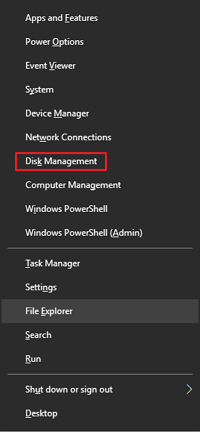
Step 2. In the Disk Management window, right-click the volume you want to modify and select "Change Drive Letter and Paths".
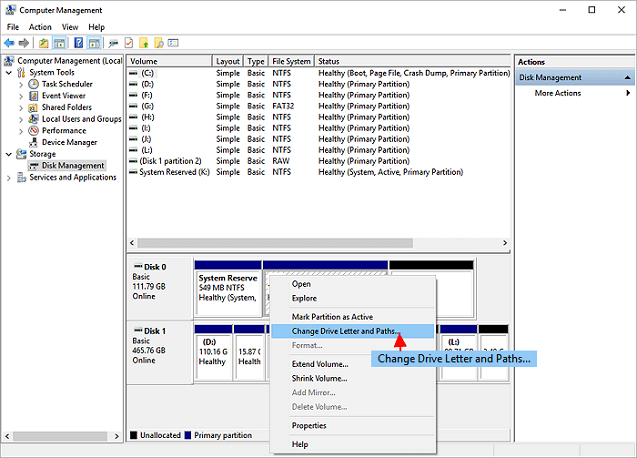
Step 3. To assign a drive letter to a drive, select the drive from the list, then choose to add or change the drive letter. This can be done by right-clicking on the drive and selecting the appropriate option from the context menu. Alternatively, you can select the drive and use the "Add" or "Change" option from the "Tools" menu in the Disk Management console.
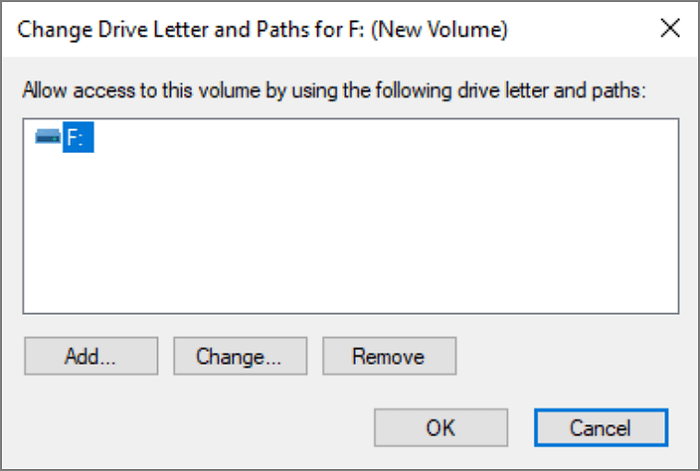
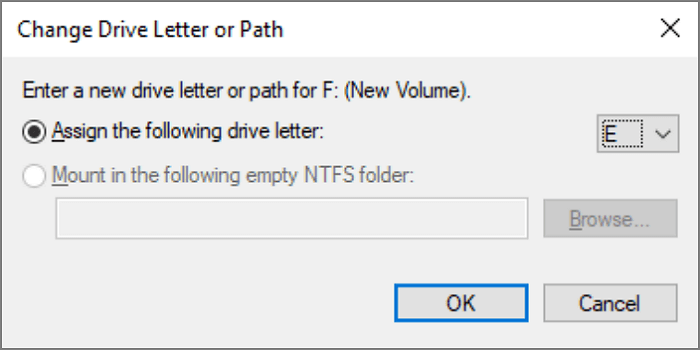
Step 4. To change the drive letter of a partition, select the partition, click on "Change Drive Letter and Paths" in the context menu, choose a new drive letter, click "OK". The Disk Management will warn you that some programs might not run properly, so click "Yes" to confirm.
Assign and Change Drive Letter with Qiling Partition Manager
To easily copy files to a USB drive without knowing its drive letter, use Qiling Partition Master to assign a drive letter to each driver, making the process simpler and more efficient.
Qiling Partition Manager allows users to manage disks efficiently without a lengthy process, offering advanced features such as resizing/moving partitions to address low disk space issues, merging partitions, cloning disks, creating/deleting/formatting partitions, wiping data, and converting disks/partitions.
Download this easy-to-use partition tool for free to assign drive letters with just a few clicks.
Step 1.To change the drive letter of a partition in Qiling Partition Master, you can follow these steps: Run Qiling Partition Master, click on the target partition, then click the "More..." button and select "Change Drive Letter".
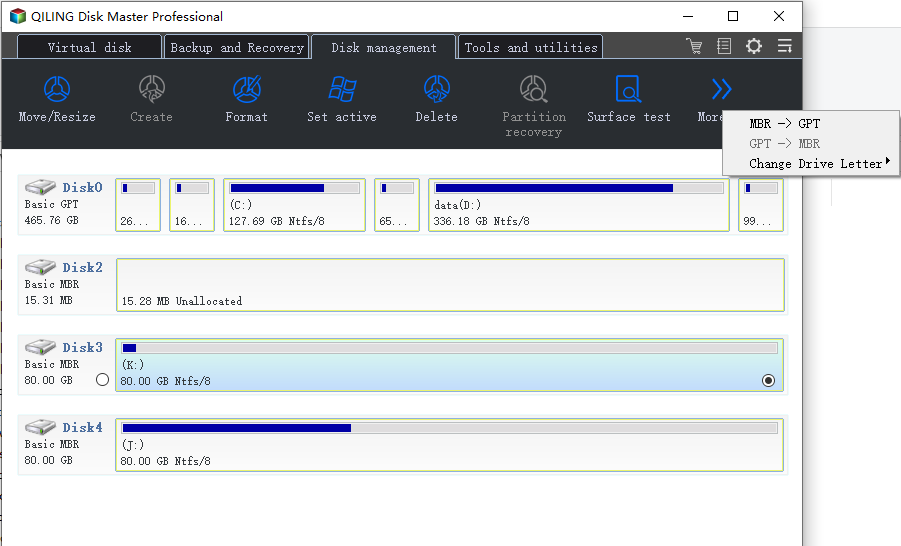
Step 2. To change the drive letter of a partition, open the Disk Management window, select the partition you want to modify, click the down arrow next to it, and choose a new drive letter from the dropdown menu. The partition's drive letter will be updated accordingly.
Assign a Drive Letter Windows 10 Using Command Prompt
Windows Command Prompt can be used to assign drive letters to any directory on a computer. It especially benefits users with many storage devices connected to their computers. Below, we will show step-by-step how to change a drive letter with the command prompt.
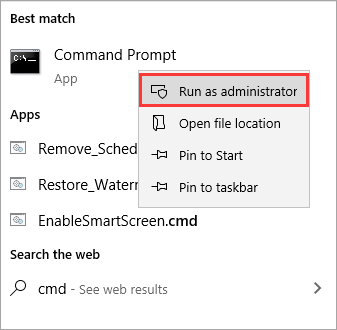
Step 1. To access the elevated command prompt, press Windows + S to open the search box, type "cmd", and when the command prompt appears, right-click on it and select "Run as administrator".
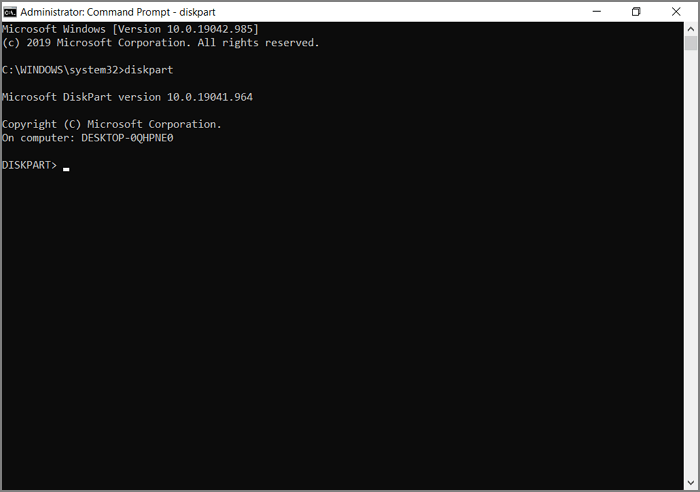
Step 2. Type diskpart at the command prompt. Press Enter.
Step 3. Type list volume, then press Enter.
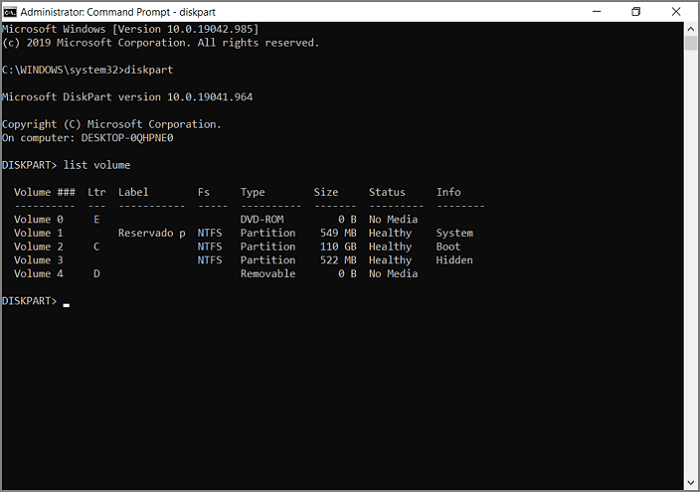
Step 4. To change the letter of a drive, pay attention to the volume number. Type "select volume" and substitute the volume number with the actual number of the volume you want to change, enclosed in angle brackets <>. For example, if you want to change the letter of the second volume, you would type "select volume <2>".
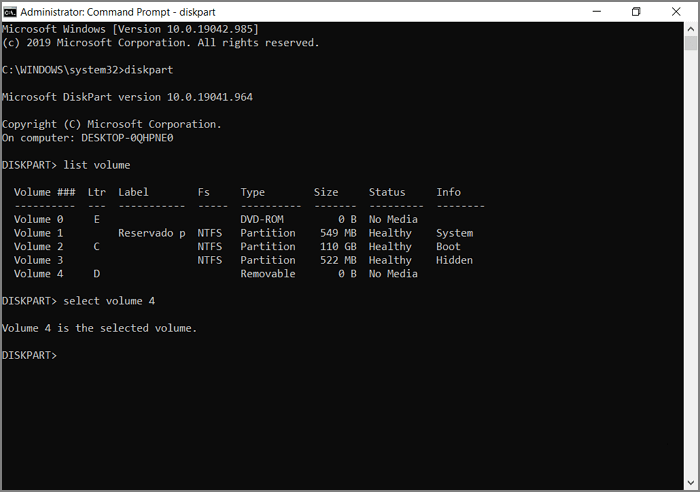
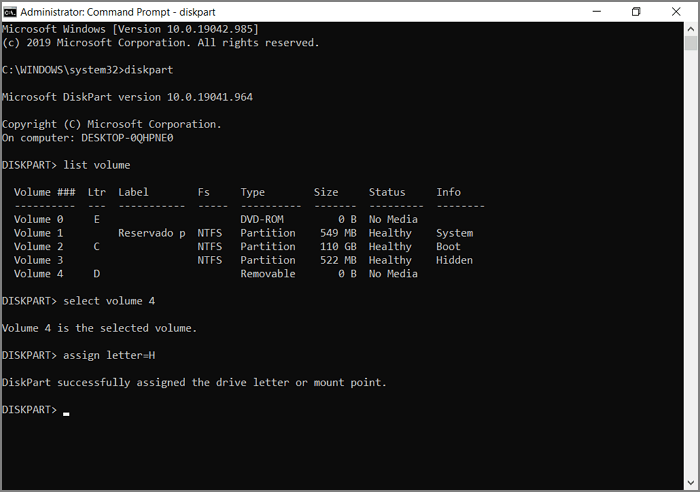
Step 5. To assign a new drive letter, open Command Prompt and type `subst
Conclusion
You can assign different letters to your drivers in various ways, such as using Windows Disk Management or the command prompt. However, Qiling partition manager offers more control over your hard drive.
Qiling Partition Master allows users to assign drive letters to drives or partitions, delete, split, and wipe partitions, all without restarting the PC or risking data loss, simplifying procedures for working with multiple partitions.
Related Articles
- 6 Fixes for Not Enough Space for Windows 10 Update
- How to Manage Partitions with Disk Partition CMD in Windows 11/10?
- How to Create Qiling Partition Master Bootable USB
- [Fixed] Hard Drive or C Drive Full for No Reason in Windows 10/8/7
- [Tutorial]: Diskpart Delete Partition on Windows 11, 10, 8, and 7
Here, you are going to learn how to use Diskpart to delete partitions on Windows 11/10/8/7. In addition, other methods to remove partitions will be introduced too. - Diskpart: Delete Partition Force in Windows 11,10, 8, 7
You can use Diskpart to delete partition force when need to delete a hidden or system-protected partition on Windows 11, 10, 8, and 7.
Products
Articles & Tutorials
- Data Recovery
- Data Backup
- File Recovery
- File Backup
- System Backup and Restore
- Disk and Partition Clone
- Technical articles
- Mobile articles
- Disk Master Help
- Windows Data Recovery Tutorials
- Windows Secure Delete Tutorials
- Windows Partition Management Tutorials
- Windows File Backup and Restore Tutorials
- Windows System Backup and Restore Tutorials
- Windows Disk Backup and Restore Tutorials
- Windows Clone Tutorials