Home Office Setup: Setting Up Home Office for Remote Work
The COVID-19 pandemic has spread to over 180 countries and 200 territories, affecting the global economy, prompting governments and businesses to encourage employees to work from home to ensure business continuity and stable employment.
To set up a productive home office, consider the following DIY tips: create a dedicated workspace, invest in a comfortable and ergonomic chair, and install good lighting and ventilation. Use a desk organizer to keep your workspace tidy and consider using a standing desk or a sit-stand workstation to alternate between sitting and standing throughout the day. Add some plants to your workspace to boost productivity and consider using a whiteboard or bulletin board to keep track of your tasks and deadlines.
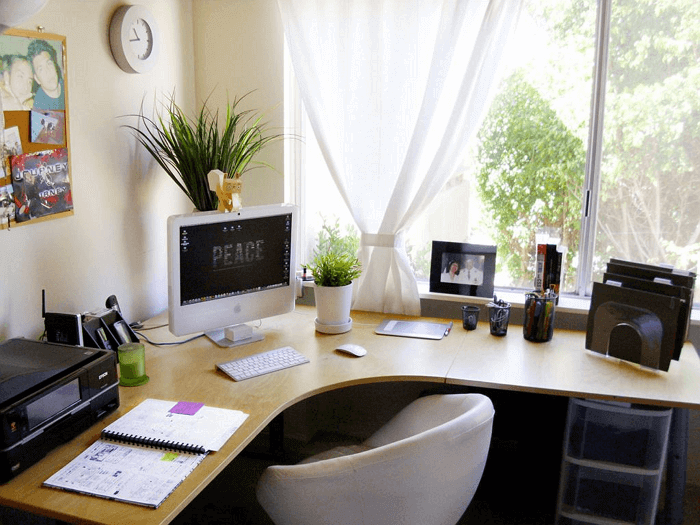
How Do I Setup a Remote Home Office
Question 1. How do I set up a remote office?
To set up a remote office, start by organizing your home laptop and creating a dedicated workspace. Clear out any unnecessary files and folders, and consider setting up a cloud storage system like Google Drive or Dropbox to keep your work files separate from your personal ones. You can also set up a task management system like Trello or Asana to help you stay on top of work tasks and deadlines. Additionally, consider investing in a good chair, desk, and noise-cancelling headphones to create a comfortable and productive work environment. If you need further assistance, I can provide more specific guidance on how to set up a remote office. How does that sound?
Question 2. Any tips to stay productive while working from home?
To stay productive while working from home, establish a dedicated workspace, set regular working hours, and minimize distractions by turning off notifications and finding ways to separate work from personal life. Use time-management tools like calendars, to-do lists, and apps to stay organized and focused, and schedule breaks to maintain energy and motivation. Additionally, communicate regularly with colleagues and managers to stay connected and aligned with work goals, and prioritize self-care to avoid burnout and maintain overall well-being.
Setting up a home office that rivals a traditional office in terms of efficiency and productivity is a top concern for many freelancers and remote workers. To create a comfortable yet potent workspace at home, consider the following tips. By implementing these strategies, you can establish a productive home office that meets your needs and helps you stay focused and efficient.
To establish an office-like spot at home and work efficiently, start by designating a specific area for work, free from distractions and interruptions. This could be a home office, a corner of a room, or even a outdoor shed, depending on your space and needs. Next, set up a comfortable and ergonomic workspace with a desk, chair, and necessary equipment, such as a computer, printer, and storage.
Part 1. Ten Ways to Set Up Home Office for Remote Work
To create a productive workspace at home, you'll need to set up a dedicated area for your laptop, along with necessary equipment and software to perform your job or business tasks. This may include a desk, chair, and other office supplies, as well as any specific hardware or software required for your line of work.
Assume that most of your works need to be done online, prepare everything as suggested below:
#1. Home Office Equipment
Here are the must-have materials that you need for a home office, which are essential for an optimal home office setup:
1. An empty place or cabinet downstair
Create a dedicated workspace at home, such as a home office, that's large enough to hold all necessary work items, including a desk, chair, computer, and storage for supplies like notebooks and cups. Ideally, this space should be located in a quiet area, such as upstairs or under the stairs, to minimize distractions and ensure a productive work environment.
The workspace should have good lighting, stable air circulation, comfortable temperature, and optimal humidity levels.

2. One or two laptops or PCs
If you can't bring your office computer home, you'll need to use your home laptop or computer as a backup. It's best to have one or two laptops ready to go, and make sure they're in good working order, able to boot up and run properly.
3. Communicate devices
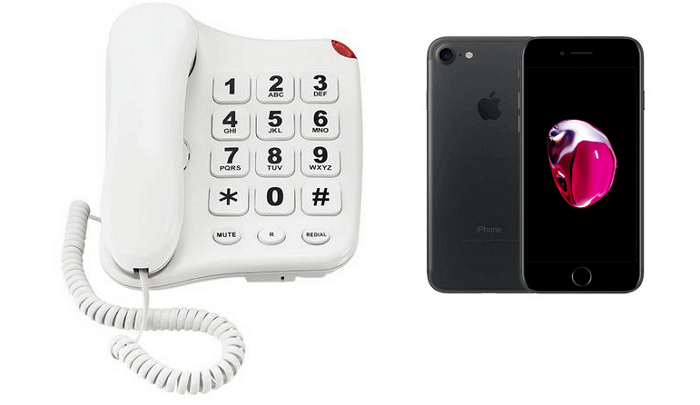
To prepare for business communication, it's recommended to have a reliable phone or a spare cellphone available. This ensures that you can make calls and stay connected without interruption, even if your primary phone experiences technical issues.
4. Work necessities
Here are the work necessities you might need:
- Notebooks
- Sticky notes
- Pens
- Cups
- Glasses
- Microphone
- Webcam
- Desk lamp
- Miniprinter
- etc.
Once you have all the necessary equipment, it's time to set up your home office hardware. This includes installing the router, modem, and any other network devices, as well as setting up your computer, monitor, and other peripherals.
#2. Home Office Hardware Setup
To set up your home office, gather all necessary items and place them in a designated workspace to create a productive environment.
Here are the steps to set up home office hardware:
1. Move desk and chair to work spot
To create a workspace, place a desk and a chair in the desired location, such as a corner or against a wall, to establish a functional and comfortable working area.
2. Set up your laptop or home computer
Place your computer or laptop on a flat surface, such as a desk. Next, plug in the power cables and turn on your device. Finally, connect your computer to the internet either by plugging in an internet wire or using WiFi.
3. Move your work necessities to your desk
To prepare your workspace, gather all your essential items like cellphones, notebooks, pens, cups, microphones, and webcam, and place them in a convenient spot on your desk. This will save you time and effort when you need to access them.
Leave a pillow or backrest on your chair to protect your waist from injury when sitting for long periods.
4. Speed up the home computer
Many home computers experience slow performance and freezing issues, often due to multiple applications and programs running simultaneously, causing them to get stuck or take a long time to power up.
The main cause of the issues is likely due to a large number of junk files and unnecessary large files on the computer, which can also be exacerbated by low disk space on the system C: drive.
It's crucial to remove junk files, large unnecessary files, and extend the C drive before using your old home computer to ensure a smooth and efficient experience.
- Add Space to C drive
Qiling Partition Master is a reliable computer optimization tool that allows you to manage disk allocation and add more space to your C drive with just a few clicks.
Windows users can easily speed up their home computers by applying this application. For older Windows computers, it's recommended to add more free space to the system C drive, aiming for at least 120GB to ensure smooth booting and running.
Follow steps here to extend your system C drive immediately:
Step 1. Locate the Target Partition
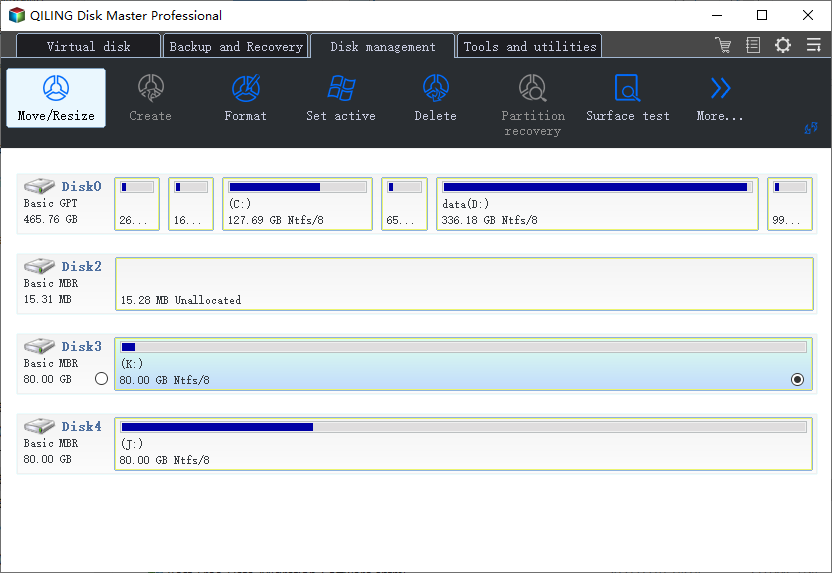
To extend a partition, you should first locate the target partition and select "Resize/Move" to start the process.
Step 2. Extend the Target Partition
To add unallocated space to your current partition, drag the partition panel rightward or leftward to merge the unallocated space with your current partition. Once you've made the desired adjustment, click "Proceed" to confirm the changes.
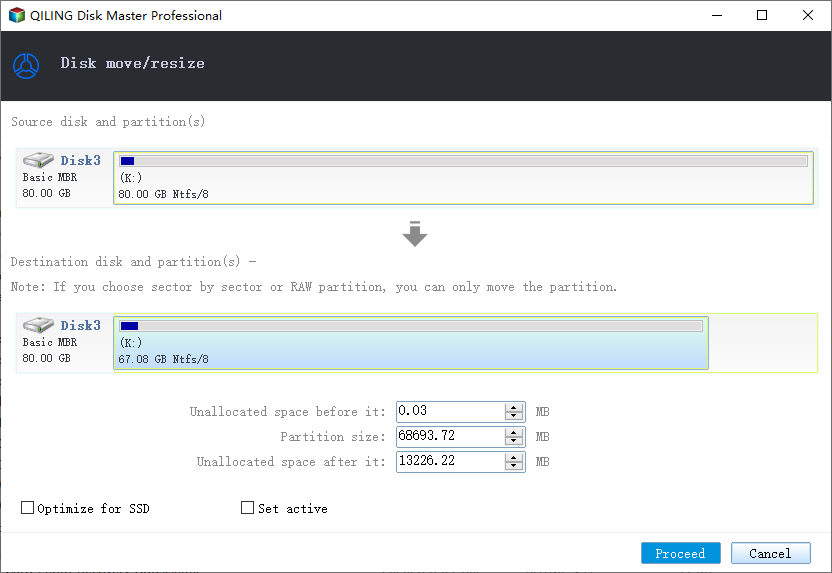
Extra Option: Get Space from Another Drive
If there's not enough unallocated space on your disk, click on a big partition with enough free space, then select "Resize/Move".
Drag the partition panel rightward or leftward to decrease the space from your current partition, and click "Proceed" to confirm the changes.
To extend a partition, select the target partition at the "Allocate space to" column.
5. Upgrade computer disk to a bigger new one
If your computer is running on an outdated operating system like Windows 7 or older, or if your hard drive is running out of space, it may slow down. Upgrading to a larger hard drive can resolve this issue efficiently.
If you have a new bigger disk or SSD at home, you can follow the tutorial video to upgrade your system disk or clone the disk to another new disk using Qiling Backup, which is a risk-free and efficient process.
#3. Must-have Office Software Setup
Setting up a home PC or laptop can be a hassle, but the final step is often the most time-consuming - installing essential office software and applications, including Microsoft Office, Adobe tools, Axure, Xmind, Skype, and Teamviewer.
You can choose to re-After the Windows update, download and re-install those working software. For paid programs and applications, re-install and reactivate them again.
Fortunately, you have another option: duplicating all software by transferring from your office computer to your home laptop via Backup and Restore using Qiling backup, which eliminates the need for reinstallation or reactivation.
Part 2. Four Tips for Staying Productive to Work from Home
After setting up your computer, you can start working from home. To stay highly efficient while working, consider these tips:
1. Isolate yourself at your workshop
Let your family know you need a quiet work environment and minimize involvement in daily affairs. Also, remind yourself you're at work and avoid distractions.
2. Make a working schedule or a routine
If you have many things to do every day, make a schedule on your computer and draw a daily routine to help you stay focused on each task.
After creating or drawing a working schedule or routine, it's essential to stick to it and execute the plan as planned, ensuring that all jobs are completed on time.
3. Attend online meetings timely
Online meetings are crucial for business owners and employees to make working plans, and should not be avoided or missed, even when working from home. Taking notes during these meetings is also essential to clearly understand upcoming tasks and responsibilities.
4. Keep in touch with your boss, colleagues
To stay on top of your work, it's essential to regularly update your work schedule with your boss and colleagues, and also give and receive feedback to maintain high work efficiency.
Conclusion
As a remote worker or digital nomad, setting up a comfortable and efficient home office is a crucial step in preparing for your work-from-home or work-from-anywhere setup, especially during the COVID-19 pandemic.
If you're in need of a home office, don't wait - follow the tips on this page to create one yourself right away. Whether you're a remote worker, student, or entrepreneur, having a dedicated workspace can greatly improve your productivity and efficiency.
Related Articles
- How to Clone HDD to 250GB/500GB SSD Without Reinstalling
- How to Remove SD Card Notification in Samsung S7/S7 Edge
- How to Fix Windows Was Unable to Complete the Format in Windows 11
- How to Ghost a Hard Drive in 3 Steps
- Fix 'The Specified Disk Is Not Convertible' Error in Windows
- Windows Server 2016 Repaired with Command Prompt (Attached Tutorial)
Do you get stuck in Windows Server 2016 boot failure and desire to figure out how to repair it? Learn how to repair Server 2016 with Command Prompt and a powerful backup and restore tool from this page.
Products
Articles & Tutorials
- Data Recovery
- Data Backup
- File Recovery
- File Backup
- System Backup and Restore
- Disk and Partition Clone
- Technical articles
- Mobile articles
- Disk Master Help
- Windows Data Recovery Tutorials
- Windows Secure Delete Tutorials
- Windows Partition Management Tutorials
- Windows File Backup and Restore Tutorials
- Windows System Backup and Restore Tutorials
- Windows Disk Backup and Restore Tutorials
- Windows Clone Tutorials