Where Do My Downloads Go? Find & Open Downloads on PC, iPhone/iPad, or Android [Beinners' Guide]
You're wondering where your downloaded files go and how to access them on your computer or mobile phone. This guide will explain what the Downloads folder is, where downloaded files are stored, and provide tips on how to open the Downloads folder on PC, iPhone/iPad, and Android phones.
If the Downloads folder is not showing up, relax and follow the tips presented below to fix it now. Let's go.
1. What Is Downloads Folder
The Downloads folder A cache is a physical location on your device, such as a computer or mobile phone (iPhone/iPad or Android), where downloaded content from the internet browser, app store, or game center is saved by default.
The Downloads folder is used to save all recent downloads, including games, image files, videos, applications, software updates, OS updates, firmware updates, drivers, and other items that could be downloaded, which are saved there by default.
2. Where Do My Downloads Go, How Do I Access All Downloads
When you download a file, such as an application, movie, song, picture, or game, your computer or mobile phone typically saves it to a default location called the Downloads folder. This is where recent downloads are stored.
Here are the steps to access downloads on a computer, iPhone, iPad, or Android phone:
#1. Where Do My Downloads Go on PC?
To find your downloads on a Windows computer, you can either click on the "Downloads" folder that's usually located in the "File Explorer" or press the "Windows + E" keys to open File Explorer and navigate to the "Downloads" folder. Alternatively, you can search for "downloads" in the search bar to quickly locate the folder. Once you've found the folder, you can open it to view and access your downloaded files. If you're still having trouble, try checking the "Downloads" folder in the "This PC" section of File Explorer.
Option 1. Find Downloads on (Windows 10) Computer:
Step 1. To open File Explorer, press the Windows key + E keys on your keyboard or click the Folder icon from the taskbar.
Step 2. Under Quick access, click Downloads.
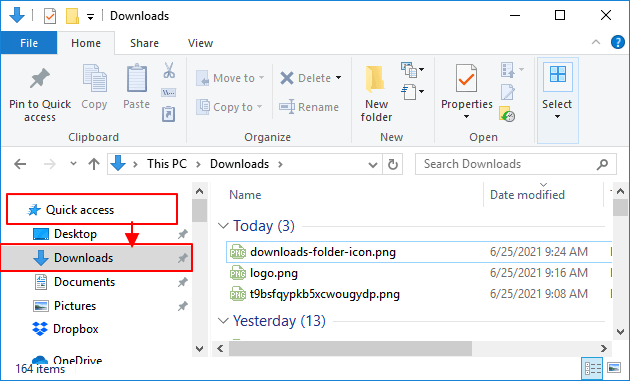
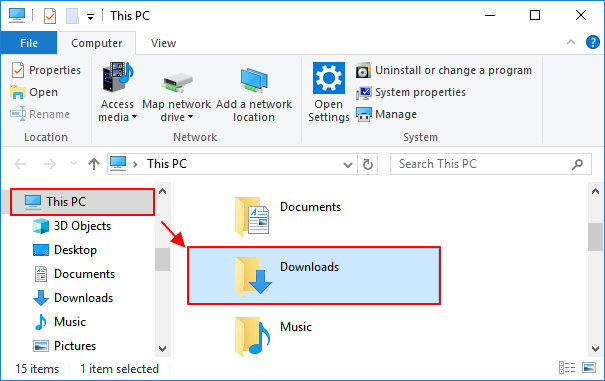
Instead of clicking the "Downloads" icon, you can click "This PC" and then double-click on "Downloads" from the File Explorer pane.
You can click on "Date modified" to find your recent downloads in this folder.
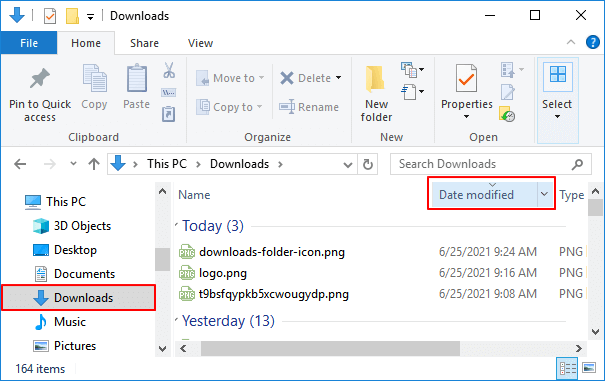
Option 2. Shown Hidden Downloads on PC
If you can't see the Downloads folder on your computer, it might be set as hidden. You can view and show hidden files and folders, including the Downloads folder, by following these steps:
Step 1. Double-click This PC or press Windows + E keys to open Windows File Explorer.
Step 2. Go to the View tab, click Options.
Step 3. To view hidden files, folders, and drivers, go to the View tab on File Options and check the box next to "Show hidden files, folders, and drivers".
Step 4. Click Apply and click OK to save the changes.
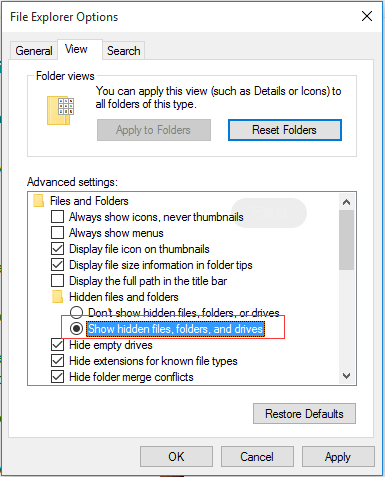
After downloading items, you can access them by going to "This PC" and clicking on "Downloads", or by following the steps in Option one to open and view your downloaded items in the Downloads folder.
#2. Where Do My Downloads Go on My iPhone/iPad
Step 1. Open the Spotlight Search option, type Files in the search box.
Step 2. Tap Files in the search result.
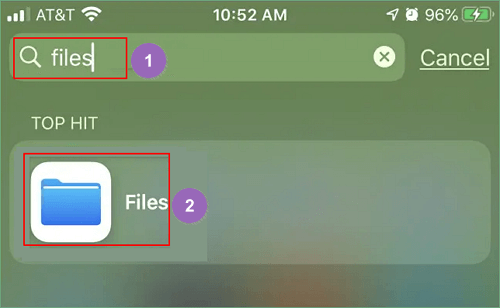
Step 3. Tap Browse > On My iPhone or On My iPad.
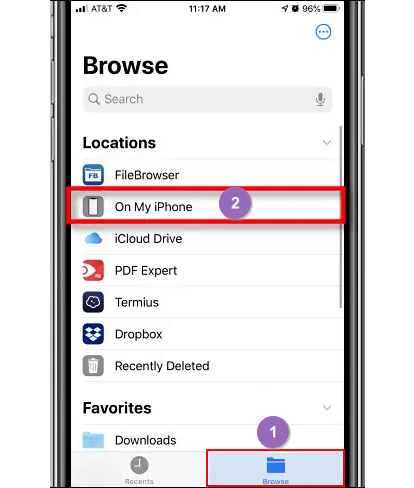
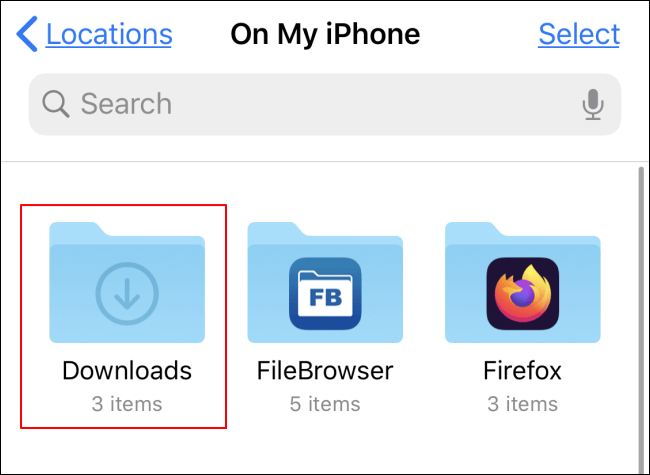
Step 4. To view your downloaded items, tap on the Downloads folder or other folders on your device.
#3. Where Do My Downloads Folder Go on Android
Step 1. To open the My Files app on an Android phone, find the icon and tap on it.
Step 2. Tap Downloads under CATEGORIES.
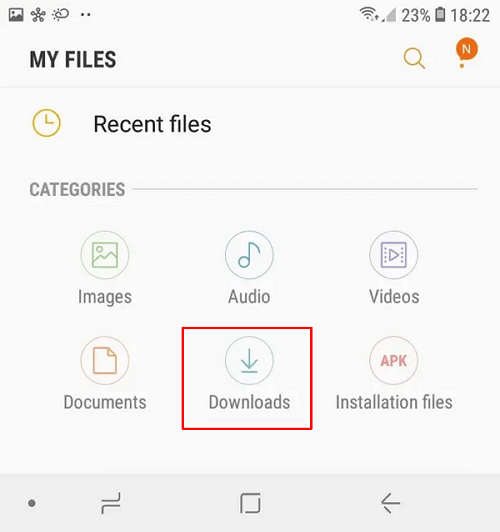
I've saved the document to your phone's downloads folder. You can now view it in the folder on your phone.
3. How Do I Change Where My Downloads Go
To free up storage space, you can change the location of your Downloads folder by following these steps: on your computer, go to File Explorer, right-click on the Downloads folder, and select "Properties." Then, click on the "Location" tab and choose a new location for your Downloads folder. On your mobile phone, go to Settings, then Storage, and look for the option to change the location of your Downloads folder. Select a new location, such as an external hard drive or a cloud storage service, to save storage space on your device.
#1. On PC (Windows 10):
Step 1. Open This PC > Right-click Downloads folder and click on Properties.
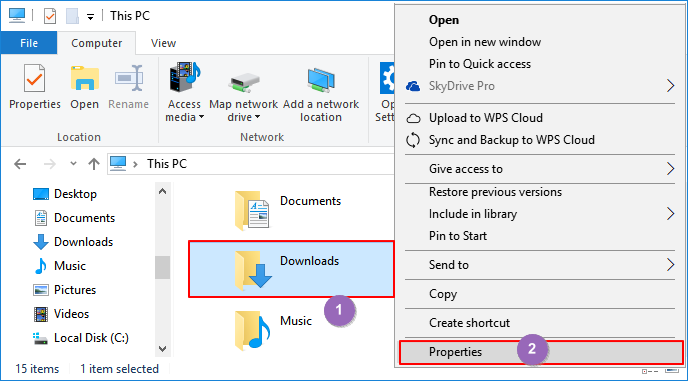
Step 2. On the Downloads Properties window, go to the Location tab.
Step 3. To move the Downloads folder, click on "Move" and select a new location on your hard drive to save the folder.
Click Apply to proceed.
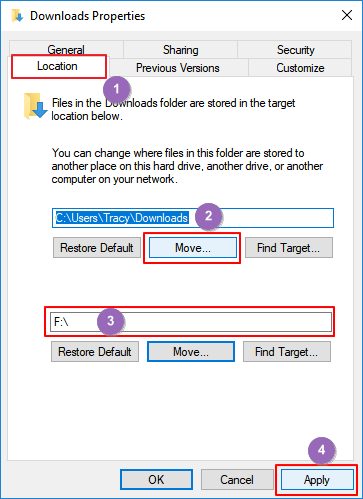
Step 4. Click Yes to move all downloaded files and folders to the new location of the Downloads folder.
#2. On iPhone/iPad:
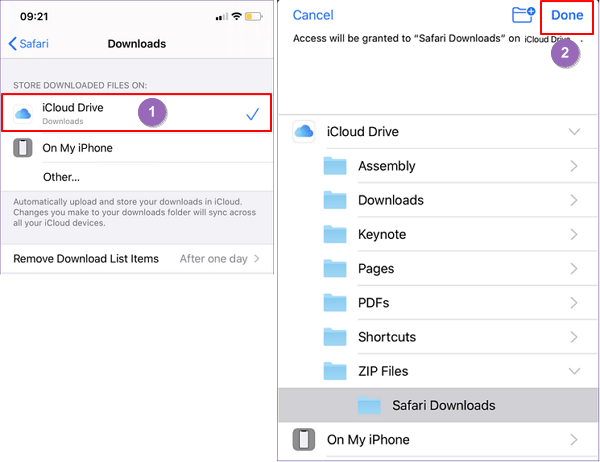
Step 1. Go to Settings on iPhone or iPad, scroll down the list to find Safari.
Step 2. Tap Safari > Tap Downloads.
Step 3. On the new screen, you'll see three download locations: On My iPhone, iCloud, and others.
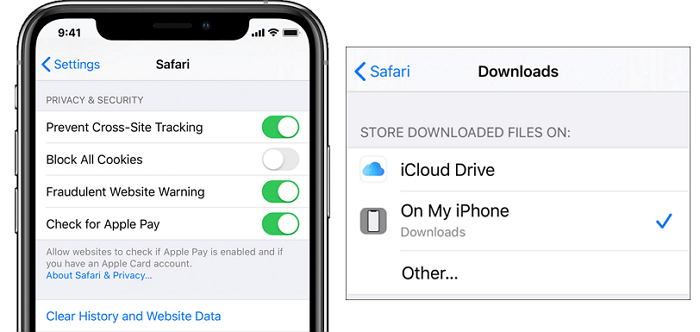
Step 4. To change the download location, tap "On My iPhone" or "Others..." to switch from iCloud storage to local storage.
Step 5. I've changed the download location for you. Tap Done to keep the changes.
To save your internal storage on iPhone, use iCloud as the Download location.
#3. On Android:
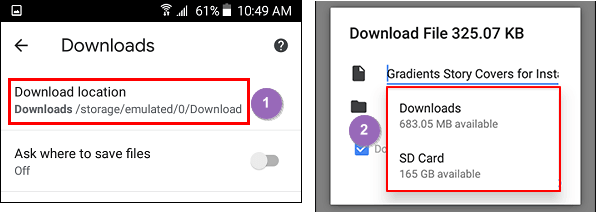
Step 1. Go to Settings > Click Directly Settings.
Step 2. Click Downloads path and change your default download location to SD card.
4. Why Are My Downloads Not Showing, How to Fix?
Downloaded items not showing up in Downloads folder due to various reasons such as incorrect file association, corrupted download manager, outdated browser, incorrect file type, or issues with the operating system. Additionally, some devices may have specific settings that prevent downloads from being saved to the Downloads folder. Users may also experience problems if they have exceeded their storage capacity or if their device is running low on memory.
- The Downloads folder is not set as the default location for downloaded items, which means that files downloaded from the internet are saved to a different location than the typical Downloads folder. This can be frustrating for users who are used to finding their downloaded files in the Downloads folder.
- Downloads folder was set to hide.
- Downloaded items were moved to other locations.
- Downloaded items were deleted or lost due to unknown reasons.
So how to fix this issue?
- To set the Downloads folder as the default downloading location, you can check and set it on your device.
- If you've lost or missed downloaded items, you can recover them all with the help of reliable file recovery software.
Here, Deep Data Recovery can fully scan and recover lost downloaded items for you on PC, allowing you to recover deleted files, documents, and other data that you thought were lost forever.
Step 1. Run Deep Data Recovery. Select file types and click "Fast Scan" to start the recovery process.
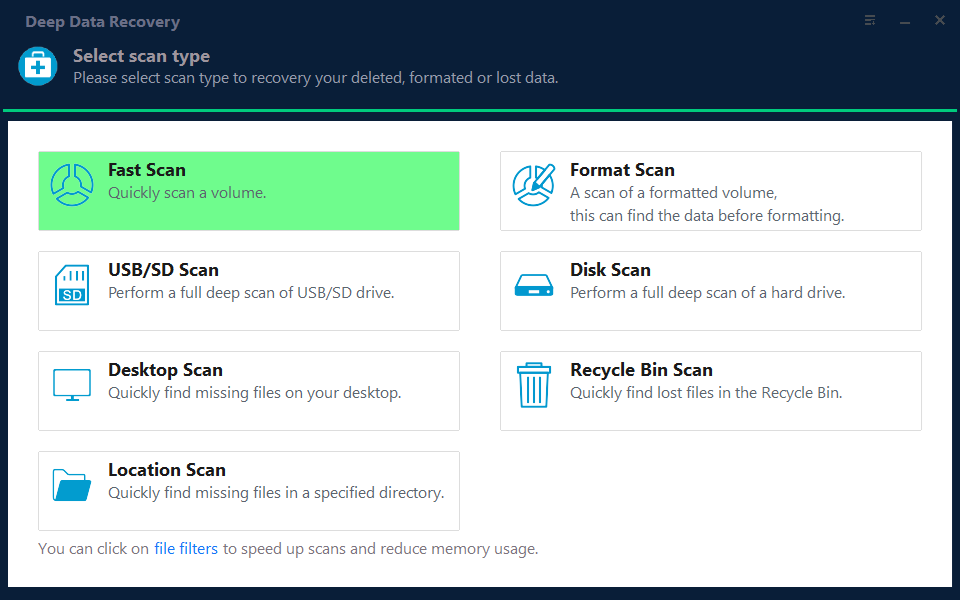
Note: You can choose different search modes based on where and why the data was lost.
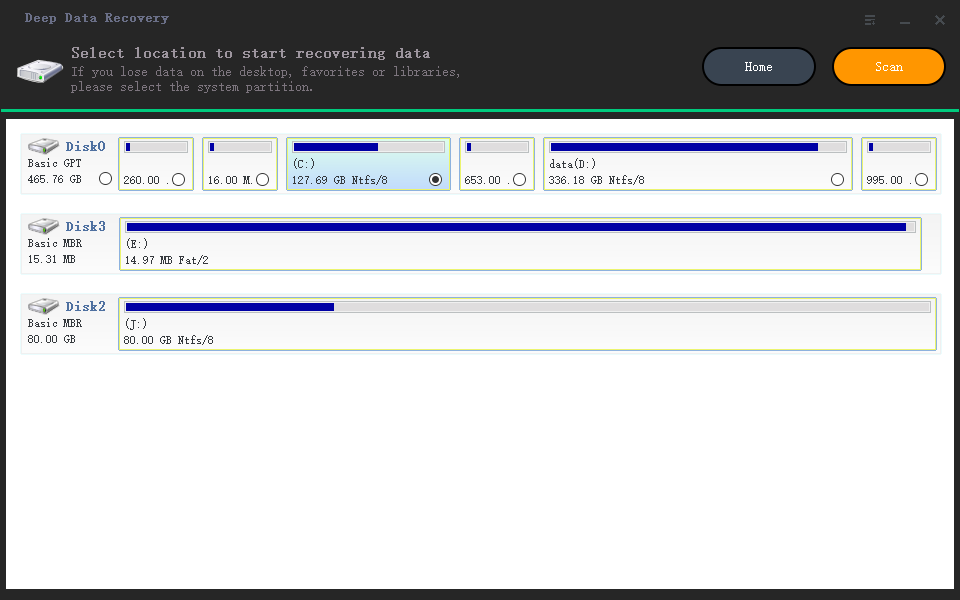
Step 2. To recover a lost folder, select "Specify a location" and choose "Select Folder". Then, browse to the location where the folder was originally saved and click "OK" to initiate the scan.
Step 3. To search for a target folder, you can type the name of the folder in the search bar. If you want to find a specific type of files, you can use the Filter feature to narrow down the search results. This way, you can quickly locate the desired folder or files in the list.
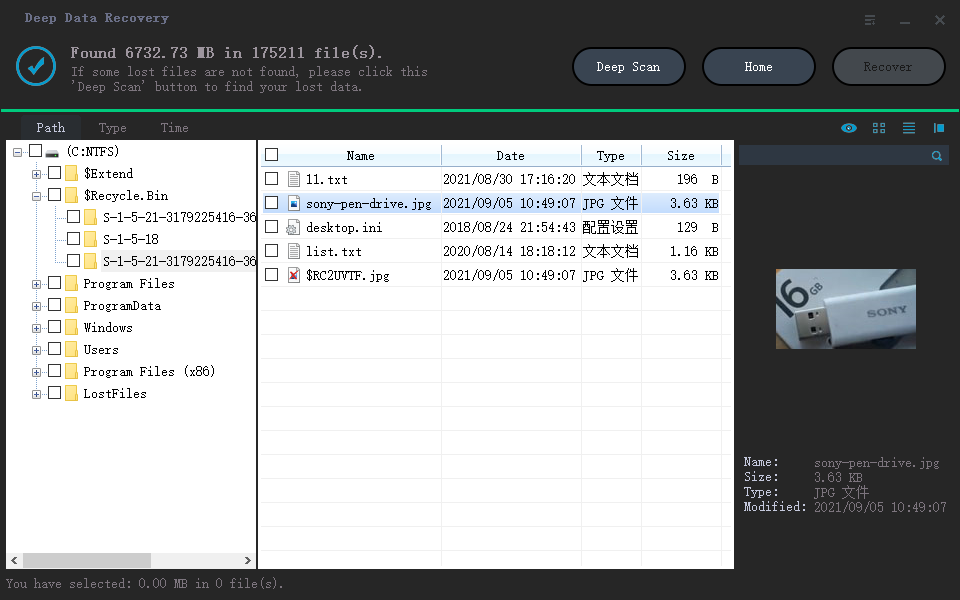
Step 4. After recovering the folder, you can preview its contents. Then, click "Recover" and choose a new, secure location on your PC to save the recovered data.
To restore missing Downloads items on iPhone, you may try using Qiling MobiSaver.
To find lost Downloaded items on Android, Qiling MobiSaver for Android can assist you.
Where Do My Downloads Go FAQs
Besides knowing the downloads location on PC, iPhone, or Android phone, you may also want to know where downloads go on other devices. On a PC, downloads typically go to the "Downloads" folder. On an iPhone, downloads are saved to the "Downloads" folder in the Files app.
1. Where do my downloads go on my Kindle Fire?
- Open Doc app on Kindle Fire.
- Tap the hamburger menu icon.
- Select Download under Local Storage in the appeared menu.
- Find downloaded files in the list.
2. Where do my downloads go on Mac?
- Go to Finder > Preferences > Sidebar.
- Check Downloads under Sidebar.
- 1 paragraph shortly: To open the Downloads folder, go to Finder and select "Go" from the top menu, then choose "Downloads" from the drop-down list. Alternatively, you can use the keyboard shortcut "Command + Shift + D" to directly open the Downloads folder. This will take you to the folder where all your downloaded files are stored.
3. Where do my recent downloads go in the web browser?
- On Windows, open your web browser and press Ctrl + J to open the download window. Click "Show in folder" on a recently downloaded item to find the download location.
- To find the location of the Downloads folder on a Mac, open Safari and press Command + N to open a new window. Then, click on Downloads to view its location on the Mac.
Conclusion
This page explains what the Downloads folder is and its primary purpose. It also provides step-by-step guidelines to help you locate the Downloads folder on your Windows computer, iPhone/iPad, and Android device.
If you can't find a downloaded item, check if you've moved it. If not, consider using Qiling file recovery software to help locate the missing file.
The location of the Downloads folder can be changed at any time, and it's recommended to set aside sufficient space on a disk or device to accommodate it.
Related Articles
- How to Recover Deleted/Lost Vimeo Videos
- Restore Deleted/Lost ASUS Data with ASUS Data Recovery Software
- Fixes for Adobe Photoshop Has Stopped Working Without Losing Files
- How to Fix This Device Cannot Start (Code 10) with 10 Free Ways
- How to Change the Administrator on Windows 10 [Step-by-Step Guide]
The highest position in Microsoft Windows is the administrator, which grants access to all Windows' features, allowing modification of the operating system's functionality. - How to Change Boot Drive Windows 10? [Updated 2024]
This guide will show you how to change the boot drive of Windows 10 using two methods: the recovery tool and BIOS settings. Follow the step-by-step guide to learn how to switch the boot drive using these methods.
Products
Articles & Tutorials
- Data Recovery
- Data Backup
- File Recovery
- File Backup
- System Backup and Restore
- Disk and Partition Clone
- Technical articles
- Mobile articles
- Disk Master Help
- Windows Data Recovery Tutorials
- Windows Secure Delete Tutorials
- Windows Partition Management Tutorials
- Windows File Backup and Restore Tutorials
- Windows System Backup and Restore Tutorials
- Windows Disk Backup and Restore Tutorials
- Windows Clone Tutorials